
Surgical glue, a seemingly modern marvel, has a history stretching back further than one might imagine, evolving from early experiments to a diverse range of sophisticated adhesives. This narrative delves into the fascinating world of surgical adhesives, tracing their development from rudimentary beginnings to their current, versatile applications across numerous medical fields. We will explore the chemistry, composition, and diverse uses of these life-saving substances, examining their advantages and disadvantages in comparison to traditional methods.
From cardiovascular surgery to ophthalmology, surgical glue offers innovative solutions, minimizing invasiveness and improving patient outcomes. The journey will highlight the crucial role of biocompatibility and safety, while also exploring the future, including emerging technologies that promise even more advanced wound closure techniques. Prepare to uncover the intricacies of a technology reshaping the landscape of modern medicine.
Exploring the Historical Development of Surgical Adhesives reveals interesting progressions
Surgical adhesives, often referred to as surgical glue, have revolutionized surgical practices, offering alternatives to sutures and staples for wound closure. Their journey from rudimentary beginnings to sophisticated formulations is a testament to the persistent innovation of medical professionals and materials scientists. This evolution has dramatically improved patient outcomes, reduced scarring, and shortened recovery times.
Evolution of Surgical Glue
The earliest attempts at wound closure relied on natural materials. The use of adhesives in surgery can be traced back to ancient civilizations. Evidence suggests that Egyptians used honey, a natural adhesive with antibacterial properties, for wound healing as early as 3000 BC. In subsequent centuries, various other natural substances were employed, including tree resins and animal glues. However, these early adhesives were often unreliable, prone to infection, and lacked the strength required for effective wound closure.
The 19th century witnessed the development of more advanced adhesives. In the mid-1800s, surgeons began experimenting with collodion, a solution of nitrocellulose in ether and alcohol. Collodion formed a thin, flexible film upon drying, which could seal small wounds and abrasions. However, it was not suitable for deeper wounds or those under significant tension. The advent of the 20th century brought about the development of cyanoacrylate adhesives, often referred to as “super glues.” These adhesives, discovered during World War II, initially found use in sealing wounds in the field.
The 1960s marked a turning point with the refinement of cyanoacrylates for medical use. Researchers, including Dr. George B. Fodor, recognized the potential of these adhesives for surgical applications. These new formulations, designed to be less toxic and more biocompatible, paved the way for widespread adoption in various surgical procedures. Over the decades, further advancements in surgical glue have led to improved formulations, including biodegradable options and those with enhanced adhesive properties and reduced toxicity. These advancements have expanded the applications of surgical adhesives to include not only wound closure but also tissue repair, hemostasis, and drug delivery. The ongoing research focuses on developing even more biocompatible, effective, and versatile surgical adhesives, continuing to improve surgical outcomes and patient care.
Significant Milestones in the History of Surgical Glue
The timeline below highlights key milestones in the development of surgical glue, showcasing the progression of materials and their impact on surgical practices.
| Date | Discovery/Development | Key Individual(s) | Impact on Surgical Practices |
|---|---|---|---|
| 3000 BC (approx.) | Use of honey as a wound dressing | Ancient Egyptians | Provided early antiseptic and adhesive properties, though not a true “glue” |
| 1800s | Introduction of collodion | Unknown | Used for sealing minor wounds, a precursor to modern surgical adhesives |
| World War II (1940s) | Discovery of cyanoacrylate adhesives | Dr. Harry Coover (and his team at Eastman Kodak) | Initial application for sealing wounds in the field; later refined for medical use |
| 1960s | Development of biocompatible cyanoacrylate formulations | Dr. George B. Fodor, other researchers | Widespread adoption in surgical procedures, leading to improved wound closure and reduced scarring |
| 1990s-Present | Development of biodegradable and advanced adhesive formulations | Numerous researchers and companies | Expanded applications in tissue repair, hemostasis, and drug delivery, further improving surgical outcomes. |
Challenges and Solutions in Surgical Adhesive Development
The development of surgical adhesives faced several significant challenges, which researchers and scientists overcame through innovative solutions.
- Toxicity: Early adhesives, particularly some cyanoacrylate formulations, exhibited toxicity, leading to tissue damage and inflammation. The solution involved the development of less toxic monomers and the addition of stabilizers and plasticizers to improve biocompatibility. The development of new cyanoacrylate formulations that rapidly degrade in the body, such as those used in some surgical glues, has also greatly reduced the risk of long-term toxicity.
-
Adhesion Strength: Early adhesives often lacked the strength required to hold wounds closed under tension, leading to wound dehiscence (reopening). The solution involved developing stronger adhesive formulations, often through modifications to the chemical structure of the adhesive.
For example, adding reinforcing agents like polymers or nanoparticles to increase the adhesive’s mechanical properties.
Another solution involved the development of surgical techniques to reduce the stress on the adhesive, such as the use of sutures in conjunction with glue.
-
Biocompatibility: The body’s immune response to adhesives could lead to inflammation, rejection, and delayed wound healing. Researchers addressed this challenge by developing biocompatible materials that did not trigger an adverse immune response.
This included careful selection of raw materials, purification processes to remove impurities, and the development of biodegradable adhesives that are broken down by the body over time.
Understanding the Chemistry and Composition of Various Surgical Glues is crucial for effective application
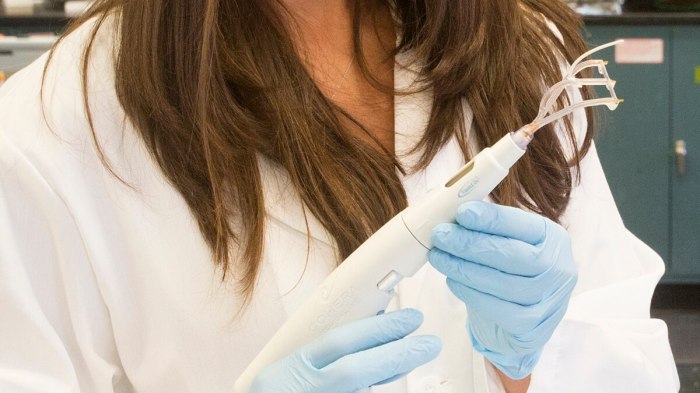
The success of surgical procedures often hinges on the precise and effective closure of tissues. Surgical glues offer a compelling alternative to traditional sutures in certain applications, providing faster wound closure, reduced scarring, and improved patient comfort. However, the diverse chemistries and compositions of these adhesives dictate their suitability for specific clinical scenarios. A thorough understanding of each type of glue is essential for optimizing its use and achieving optimal patient outcomes.
Chemical Composition of Surgical Glues
Surgical glues are formulated from various biocompatible materials, each possessing unique chemical properties. These properties dictate their performance characteristics, including bonding strength, flexibility, and degradation profile.
Cyanoacrylates are a class of fast-acting adhesives that polymerize upon contact with moisture. Their primary component is a cyanoacrylate monomer, typically ethyl cyanoacrylate or n-butyl cyanoacrylate. The polymerization process involves the anionic polymerization of the monomer, triggered by the presence of water or weak bases on the tissue surface. The resulting polymer forms a strong, rigid bond. The chemical structure of ethyl cyanoacrylate, for example, is represented by the formula:
CH₂=C(CN)COOCH₂CH₃
Fibrin sealants, on the other hand, mimic the body’s natural clotting mechanism. They are composed of two main components: fibrinogen and thrombin. Fibrinogen is a protein that is converted into fibrin by the enzyme thrombin. When the two components are mixed, the thrombin catalyzes the conversion of fibrinogen into fibrin, which then polymerizes to form a stable clot. The resulting fibrin network acts as an adhesive, sealing the wound. Fibrin sealants often contain aprotinin, a protease inhibitor that helps to stabilize the clot.
Other surgical glues include:
* Polyurethane adhesives: These glues are based on polyurethane polymers, offering flexibility and biocompatibility. They are often used in situations where tissue movement is expected.
* Collagen-based glues: Collagen, a naturally occurring protein, is a key component of these adhesives. They are designed to promote tissue regeneration and are often used in wound healing applications.
* Glutaraldehyde-based adhesives: Glutaraldehyde is a cross-linking agent that can be used to create strong bonds between tissues. However, its use is limited due to potential toxicity concerns.
Advantages and Disadvantages of Surgical Glues
Each type of surgical glue possesses a unique set of advantages and disadvantages, influencing its suitability for different surgical applications. A comparative understanding helps clinicians make informed decisions.
* Cyanoacrylates
* Advantages: Rapid bonding, ease of use, strong initial bond strength, effective in moist environments, and often eliminates the need for sutures.
* Disadvantages: Rigid bond, potential for tissue irritation, not suitable for deep wounds or high-tension areas, and can be difficult to remove. Often associated with a visible scar.
* Suitable Situations: Skin closures, small lacerations, and cosmetic procedures.
* Fibrin Sealants
* Advantages: Biocompatible, promotes natural healing, reduces bleeding, and provides a flexible seal.
* Disadvantages: Relatively weaker bond strength compared to cyanoacrylates, slower setting time, and can be more expensive. Risk of allergic reactions is possible.
* Suitable Situations: Hemostasis in surgery, sealing of tissue grafts, and in areas with irregular surfaces.
* Polyurethane Adhesives
* Advantages: Flexible, biocompatible, and can be formulated to degrade over time.
* Disadvantages: Slower setting time, can be less strong than other adhesives, and may require specialized application techniques.
* Suitable Situations: Wound closure in areas with movement, such as joints, and in situations requiring flexible bonding.
* Collagen-Based Adhesives
* Advantages: Biocompatible, promotes tissue regeneration, and can be used in a variety of applications.
* Disadvantages: Relatively weaker bond strength, and may require specialized application techniques.
* Suitable Situations: Wound healing, and tissue repair.
Factors Influencing Bonding Strength and Effectiveness
Several factors influence the effectiveness of surgical glues. Careful attention to these details is crucial for achieving optimal results.
* Surface Preparation: Proper preparation of the tissue surface is critical. This often involves cleaning the wound, removing debris, and ensuring the surface is dry. For example, the use of sterile saline to irrigate a wound before applying cyanoacrylate can improve bonding. In a study published in the *Journal of Surgical Research*, researchers found that thorough wound cleaning significantly improved the bond strength of cyanoacrylate adhesives in skin closures.
* Application Technique: The application technique varies depending on the type of glue. Applying the glue evenly, avoiding excessive amounts, and ensuring complete contact with the tissue surfaces are crucial. For fibrin sealants, proper mixing of the components is essential for effective clotting.
* Environmental Conditions: Temperature and humidity can affect the setting time and bond strength of some glues. Maintaining an optimal environment can improve performance.
* Tissue Type: The type of tissue being bonded also influences the outcome. Different tissues have different surface characteristics and moisture content, which can affect the glue’s interaction. For example, cyanoacrylates may bond more effectively to skin than to mucosal surfaces.
Investigating the Diverse Applications of Surgical Glue across Various Medical Fields unveils its versatility
Surgical adhesives have revolutionized numerous medical disciplines, offering surgeons innovative tools to enhance patient outcomes. Their versatility stems from the ability to achieve hemostasis, tissue approximation, and wound closure, often with improved speed and precision compared to traditional methods. This section explores the application of surgical glue across various surgical specialties, highlighting specific procedures, benefits, and the transformative impact of these adhesives on modern surgical practice.
Applications of Surgical Glue in Different Surgical Specialties
Surgical glue has found widespread acceptance in a variety of surgical fields, each benefiting from its unique properties. Its ability to minimize bleeding, reduce operating time, and improve cosmetic outcomes makes it an invaluable asset in numerous procedures. The following sections detail its application in cardiovascular surgery, plastic surgery, and ophthalmology, illustrating the breadth of its utility.
Cardiovascular surgery benefits significantly from the use of surgical adhesives. In procedures such as coronary artery bypass grafting (CABG), glue can be used to seal small leaks at the anastomosis sites, reducing the risk of postoperative bleeding and complications. Furthermore, in valve repair or replacement, surgical adhesives can aid in securing prosthetic valves or repairing damaged tissue. This can lead to a more efficient and effective procedure. For example, in a study published in the *Journal of Thoracic and Cardiovascular Surgery*, the use of fibrin glue in CABG procedures was associated with a statistically significant reduction in postoperative chest tube drainage and a lower incidence of re-exploration for bleeding. These benefits are often linked to the ability of the glue to provide immediate hemostasis and secure tissue apposition. The application of surgical glue also minimizes the need for extensive suturing, thereby reducing the risk of tissue trauma and potential complications like infection. The reduced operating time, achieved by using glue, also leads to a shorter exposure time to anesthesia and potential complications.
Plastic surgery utilizes surgical adhesives to enhance aesthetic outcomes and improve patient satisfaction. In procedures such as facelifts, the glue can be used to secure the skin flaps, reducing the need for sutures and minimizing scarring. The precise application of glue allows for a more even distribution of tension, leading to smoother skin and a more natural appearance. Furthermore, in breast augmentation and reconstruction, surgical adhesives can be used to close incisions, reducing the risk of seroma formation and improving wound healing. The reduced reliance on sutures in plastic surgery not only leads to better cosmetic results but also minimizes patient discomfort and recovery time. Moreover, the use of glue reduces the incidence of suture marks, which is a significant advantage for patients seeking aesthetic enhancements. A study in the *Aesthetic Surgery Journal* demonstrated a notable decrease in scar visibility and improved patient satisfaction when surgical glue was used in facelift procedures compared to traditional suturing techniques.
Ophthalmology has embraced surgical glue for various delicate procedures. In corneal surgery, for example, adhesives can be used to seal corneal perforations or to secure corneal grafts. The precise and localized application of glue is particularly beneficial in these procedures, minimizing tissue trauma and promoting faster healing. The ability of the glue to provide a watertight seal is crucial in preventing leakage of aqueous humor and maintaining intraocular pressure. Moreover, in retinal detachment repair, surgical adhesives can be used to secure retinal tacks or to seal small retinal tears. The use of glue allows for a less invasive approach, reducing the risk of complications associated with traditional methods. The microscopic nature of ophthalmologic procedures makes the precise application of glue especially advantageous. Consider a scenario where a patient undergoes a corneal transplant. The surgeon carefully positions the donor cornea and then applies the surgical glue to seal the edges, creating a secure and watertight bond. This meticulous approach minimizes the risk of infection and promotes optimal visual outcomes.
Applications of Surgical Glue: A Detailed Guide
The following table provides a comprehensive overview of the diverse applications of surgical glue, detailing the specific glue type, the surgical procedure, the advantages, and potential risks.
| Type of Glue | Surgical Procedure | Advantages | Potential Risks |
|---|---|---|---|
| Fibrin Glue | Coronary Artery Bypass Grafting (CABG) | Reduced bleeding, faster hemostasis, decreased chest tube drainage | Allergic reactions (rare), risk of infection if not properly prepared |
| Cyanoacrylate Glue | Skin Closure (e.g., lacerations, incisions) | Faster wound closure, reduced need for sutures, improved cosmetic outcomes | Skin irritation, potential for dehiscence if not applied correctly |
| Polyurethane Glue | Vascular Anastomosis | Strong bond, biocompatibility, potential for tissue regeneration | May require specialized application techniques, potential for delayed degradation |
| Fibrin Glue | Peripheral Nerve Repair | Precise tissue apposition, reduced scar formation, improved nerve regeneration | Potential for immune response, variable effectiveness depending on nerve size and damage |
| Cyanoacrylate Glue | Ophthalmic Procedures (corneal perforation repair) | Watertight seal, rapid closure, reduced risk of infection | Corneal scarring, potential for foreign body sensation |
| Fibrin Glue | Plastic Surgery (facelifts, breast augmentation) | Reduced scarring, improved cosmetic results, faster recovery | Allergic reactions, potential for seroma formation if not applied properly |
Surgical Glue in a Minimally Invasive Procedure
Consider a laparoscopic cholecystectomy (gallbladder removal), a minimally invasive procedure where surgical glue can be employed to enhance efficiency and improve patient outcomes.
The procedure begins with the surgeon making several small incisions in the abdomen, through which a laparoscope (a thin tube with a camera and light) and specialized surgical instruments are inserted. Once the gallbladder is identified and dissected, the cystic duct and artery are typically clipped and then divided. Traditionally, sutures would be used to close the small incisions. However, with the advent of surgical glue, this process has been streamlined.
Instead of sutures, the surgeon can apply a biocompatible surgical glue, such as cyanoacrylate-based glue or fibrin sealant, to the incision sites. The glue is precisely applied to the edges of the incision, ensuring complete apposition of the tissues. The glue then polymerizes, forming a strong and flexible bond that effectively closes the incision.
The advantages of using surgical glue in this minimally invasive procedure are numerous. First, the use of glue significantly reduces the time required for wound closure, thereby shortening the overall surgical time. Second, it minimizes the need for sutures, reducing the risk of infection and potential complications associated with suturing, such as suture marks and tissue trauma. Third, it often leads to improved cosmetic outcomes, with smaller and less noticeable scars. Finally, the reduced surgical time and the minimally invasive approach contribute to a faster recovery for the patient, allowing for an earlier return to normal activities.
Imagine the incision sites after the laparoscopic cholecystectomy. Instead of multiple suture knots, the skin is sealed with a thin, transparent layer of surgical glue. The edges of the incision are perfectly aligned, creating a smooth and even surface. Over time, the glue will naturally degrade, leaving behind a barely perceptible scar. This is a clear demonstration of how surgical glue can transform surgical practice, making it more efficient, less invasive, and more patient-friendly.
Comparing Surgical Glue to Traditional Suturing Methods highlights the advancements in wound closure techniques
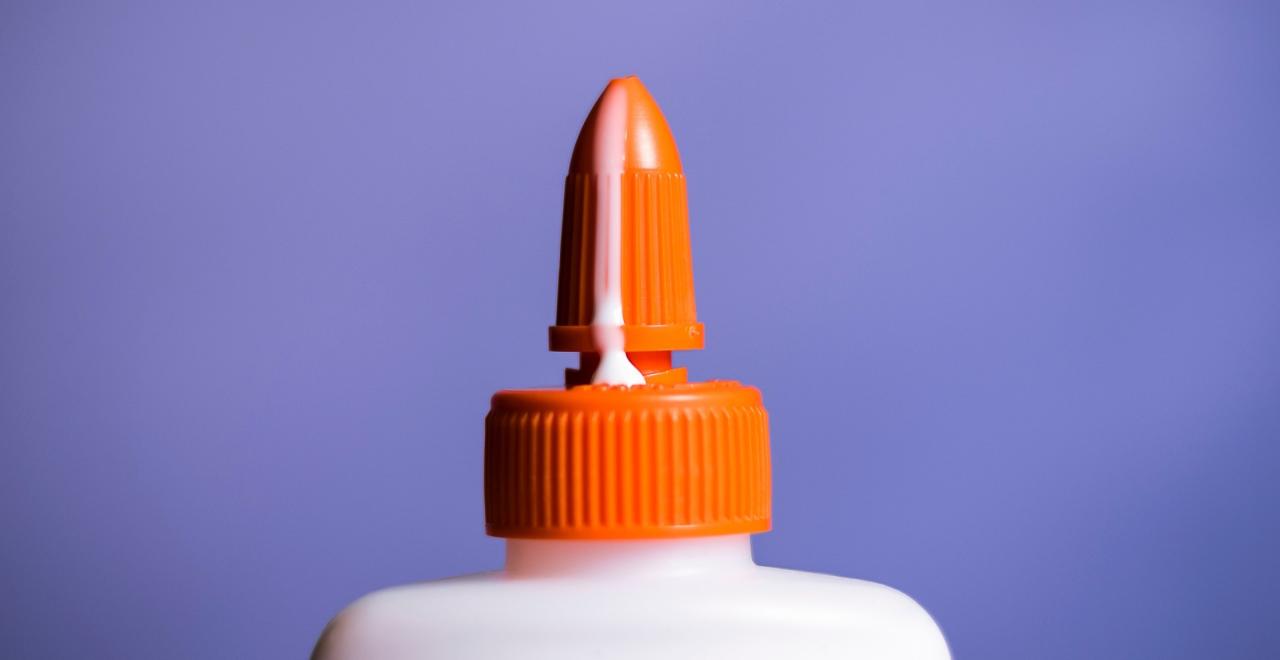
Surgical adhesives and traditional sutures represent two primary approaches to wound closure, each with distinct characteristics that influence patient outcomes. Understanding the advantages and disadvantages of each method is crucial for surgeons to make informed decisions tailored to specific clinical scenarios, optimizing both healing and cosmetic results. This comparison explores the key differences, providing insights into their respective roles in modern surgical practice.
Advantages and Disadvantages of Surgical Glue and Sutures
The choice between surgical glue and sutures hinges on a careful assessment of several factors, including healing time, infection risk, and cosmetic outcomes. Each method presents its own set of advantages and disadvantages.
- Healing Time: Surgical glue often accelerates healing, especially in superficial wounds. Sutures, while effective, may require more time for the body to absorb or for removal, potentially delaying the overall healing process.
- Infection Risk: Surgical glue can reduce the risk of infection due to its barrier properties and the absence of needle punctures, which can introduce bacteria. Sutures, however, can provide a pathway for infection if not properly cared for.
- Cosmetic Outcomes: Surgical glue generally leads to better cosmetic results, as it avoids the scarring associated with suture marks. Sutures, particularly in areas with high skin tension, can leave more noticeable scars.
- Application: Surgical glue is often easier and faster to apply, especially for small or superficial wounds. Suturing requires more skill and time, making it less efficient in certain situations.
- Cost: While the initial cost of surgical glue may be higher, the potential reduction in follow-up visits and the improved cosmetic outcomes can offset this cost. Sutures are generally less expensive initially, but can lead to additional costs related to wound care and scar revision.
Patient Experience with Surgical Glue and Sutures
Patient experiences vary significantly depending on the wound closure method employed. Recovery time, pain levels, and the resulting scarring are key aspects of this experience.
“After my C-section, the surgeon used surgical glue. I was back on my feet much faster than I expected, and the scar is barely visible. With my first child, I had sutures, and the recovery was much longer, and the scar was more prominent.” – *Sarah M., Patient*
“I had a deep cut on my arm that required stitches. The pain from the needle and the sutures was significant, and I was worried about the scarring. The scar is quite noticeable, even after several months.” – *John D., Patient*
Clinical Scenarios Favoring Surgical Glue and Sutures
The selection of wound closure technique is guided by the specific clinical context.
- Surgical Glue Advantages:
- Superficial Lacerations: Ideal for small, clean lacerations where cosmetic results are paramount.
- Pediatric Patients: The non-invasive nature of glue reduces anxiety and the need for sedation in children.
- Areas with High Mobility: In areas like the face or joints, glue offers flexibility, reducing tension and minimizing scarring.
- Sutures Advantages:
- Deep Wounds: Sutures are essential for closing deep wounds that require layered closure and precise tissue approximation.
- High-Tension Areas: In areas under significant tension, sutures provide stronger support and better wound closure.
- Complex Surgical Procedures: Sutures remain the standard for complex surgical procedures requiring meticulous tissue reconstruction.
Analyzing the Safety and Biocompatibility of Surgical Adhesives is essential for patient well-being
The adoption of surgical adhesives has revolutionized wound closure, but their widespread use necessitates a thorough understanding of their safety and biocompatibility. Patient well-being is paramount, and ensuring that these materials do not induce adverse reactions is critical. This involves a comprehensive evaluation of potential risks, including allergic responses, long-term effects, and the potential for complications. Assessing these factors is crucial for minimizing patient harm and maximizing the benefits of surgical glue technology.
Potential Risks Associated with Surgical Glue
Understanding the potential risks associated with surgical glue is vital for informed clinical practice and patient safety. Several factors can contribute to adverse events, necessitating vigilance in application and patient monitoring.
- Infection: Surgical adhesives, like any foreign material introduced into the body, can increase the risk of infection if not applied under sterile conditions or if they harbor bacteria. The presence of glue can create a favorable environment for bacterial growth, potentially leading to wound infections. Proper wound preparation and sterile technique are essential to mitigate this risk.
- Tissue Reaction: The body may react to the adhesive material, leading to inflammation, irritation, or, in severe cases, tissue necrosis. The degree of reaction depends on the glue’s composition, the patient’s sensitivity, and the site of application. Biocompatibility testing aims to minimize this risk.
- Allergic Reactions: Some individuals may develop allergic reactions to components within the surgical glue. These reactions can range from mild skin irritation to severe systemic responses. Careful assessment of patient allergies before application is crucial, and alternative adhesives should be considered if necessary.
- Improper Application: Incorrect application techniques can lead to suboptimal wound closure, delayed healing, and increased risk of complications. Adhering to manufacturer’s instructions and receiving proper training in the use of the adhesive are vital. For instance, applying too much glue can hinder the wound’s natural healing process.
- Long-Term Effects: While most surgical glues are designed to degrade over time, potential long-term effects must be considered. Some materials may persist in the body for extended periods, and their impact on tissue health requires continuous monitoring and research.
Assessing the Biocompatibility of Surgical Glue
Biocompatibility testing is a rigorous process designed to evaluate a surgical adhesive’s safety and its interaction with the human body. This process ensures that the material is unlikely to cause adverse reactions, such as inflammation, toxicity, or allergic responses.
The assessment typically involves a series of tests performed in vitro (in a laboratory setting) and in vivo (in living organisms). The testing strategy follows international standards such as those established by the International Organization for Standardization (ISO).
In Vitro Testing:
- Cytotoxicity Testing: This test assesses the glue’s potential to harm cells. The adhesive is exposed to cell cultures, and the cell viability and proliferation are monitored. If the glue is cytotoxic, it will kill or damage the cells.
- Irritation Testing: This test evaluates the glue’s potential to cause irritation or inflammation. The adhesive is applied to simulated skin models or membranes, and the inflammatory response is assessed.
- Sensitization Testing: This test determines whether the glue can trigger an allergic reaction. The adhesive is tested on cells or tissues that are known to respond to allergens.
In Vivo Testing:
- Acute Systemic Toxicity Testing: The glue is administered to animals to assess its potential to cause systemic toxicity, such as organ damage.
- Implantation Testing: The adhesive is implanted into animal tissues, and the local tissue response is evaluated over time. This helps to assess the inflammatory response, the degree of tissue integration, and the degradation of the adhesive.
- Hemocompatibility Testing: This evaluates the glue’s effect on blood. The glue is tested to see if it causes blood clotting, red blood cell damage, or platelet aggregation.
The criteria used to determine safety are based on the results of these tests and regulatory guidelines. The adhesive is deemed safe if it does not exhibit significant cytotoxicity, irritation, or sensitization and if it is well-tolerated by tissues in in vivo studies. The results of these tests are carefully analyzed to ensure that the surgical glue meets the required standards of biocompatibility, protecting patients from potential adverse effects. The entire process, from initial formulation to clinical application, is designed to ensure the safest possible outcome for the patient.
Exploring the Future of Surgical Glue reveals exciting prospects for wound closure
The evolution of surgical adhesives promises a transformative shift in medical practices, moving beyond simple wound closure to actively participate in the healing process. Innovations in materials science, chemistry, and biomedical engineering are converging to create surgical glues that are not only effective in sealing tissues but also possess enhanced functionalities, such as drug delivery and tissue regeneration. This exploration delves into the cutting-edge technologies shaping the future of surgical adhesives, anticipating their impact on patient care and surgical outcomes.
Emerging Technologies and Innovations in Surgical Glue
The development of surgical glues is experiencing a surge in innovation, driven by the desire for improved wound healing, reduced scarring, and enhanced patient safety. Several key technologies are at the forefront of this evolution.
- Bio-adhesive Materials: Research is heavily focused on developing bio-adhesive materials derived from natural sources, such as proteins (collagen, fibrin), polysaccharides (chitosan, hyaluronic acid), and peptides. These materials offer superior biocompatibility, biodegradability, and minimal inflammatory responses compared to synthetic alternatives. For example, collagen-based glues are already in clinical use for various applications, including sealing corneal perforations and closing dural defects. Further advancements include the incorporation of growth factors to stimulate tissue regeneration.
- Drug-Eluting Glues: The ability to incorporate therapeutic agents directly into surgical glues represents a significant advancement. These drug-eluting glues can deliver antibiotics to prevent infection, anti-inflammatory drugs to reduce swelling, or growth factors to accelerate healing. A compelling example is the use of drug-eluting sutures in cardiovascular surgery. This concept is being extended to glues, allowing for localized drug delivery at the wound site, maximizing efficacy and minimizing systemic side effects. The potential of delivering stem cells is also being explored.
- Smart Adhesives: The future envisions smart adhesives that respond to environmental stimuli, such as temperature, pH, or light. These adhesives can be designed to change their properties, such as viscosity or bonding strength, based on the specific needs of the wound. For instance, a light-activated adhesive could be applied in a liquid form and then solidified upon exposure to a specific wavelength of light, allowing for precise control over the application process. These adhesives could also incorporate sensors to monitor the healing progress, providing real-time feedback to the surgeon.
Futuristic Concept for a Surgical Glue
Envisioning the future, a surgical glue emerges, termed “VitaSeal,” designed to revolutionize wound closure and tissue repair. VitaSeal would be a multi-functional adhesive with the following characteristics:
- Composition: VitaSeal would be a composite material consisting of a bio-adhesive matrix derived from recombinant human collagen, infused with encapsulated therapeutic agents. These agents would include antibiotics, anti-inflammatory drugs, and growth factors, all released in a controlled manner over a specific timeframe. The matrix would also incorporate microscopic, biocompatible nanoparticles containing imaging agents, enabling real-time monitoring of the healing process.
- Applications: VitaSeal would be universally applicable across various surgical specialties. It could be used to seal incisions, repair internal organ damage, and facilitate bone regeneration. In cardiovascular surgery, it could replace sutures for vascular anastomosis, reducing the risk of bleeding and thrombosis. In reconstructive surgery, it could accelerate tissue regeneration and minimize scarring.
- Functionality: VitaSeal would function through a multi-stage process. First, the adhesive would be applied as a liquid, conforming to the irregular surfaces of the wound. Upon exposure to body temperature, the adhesive would solidify, forming a strong and flexible seal. Simultaneously, the encapsulated drugs would be released, providing localized therapeutic benefits. The nanoparticles would allow for non-invasive monitoring of the healing progress through imaging techniques, enabling physicians to assess the effectiveness of the treatment and make timely adjustments if needed.
- Advantages: VitaSeal would offer numerous advantages over traditional methods. It would reduce the risk of infection, minimize scarring, and accelerate healing. The ability to monitor the healing process in real-time would provide physicians with valuable information, leading to improved patient outcomes. The use of biocompatible materials would minimize the risk of adverse reactions, and the controlled release of drugs would maximize therapeutic efficacy while minimizing side effects.
Challenges in Advancing Surgical Adhesive Development and Clinical Adoption
Despite the promising future of surgical adhesives, several challenges must be addressed to facilitate their development and clinical adoption.
- Biocompatibility and Safety: Ensuring the long-term biocompatibility and safety of new adhesive materials is paramount. Rigorous testing, including in vitro and in vivo studies, is essential to assess the potential for adverse reactions, such as inflammation, toxicity, and immune responses.
- Manufacturing and Scalability: Scaling up the production of advanced surgical adhesives can be complex. Manufacturing processes must be optimized to ensure consistency, quality, and cost-effectiveness. This involves developing robust manufacturing techniques and establishing efficient supply chains.
- Clinical Validation and Regulatory Approval: Rigorous clinical trials are necessary to demonstrate the efficacy and safety of new surgical adhesives in diverse clinical settings. Obtaining regulatory approval requires extensive data on product performance, biocompatibility, and manufacturing processes.
- Cost and Accessibility: The cost of novel surgical adhesives must be competitive to ensure their accessibility to patients. Efforts should be made to streamline manufacturing processes and reduce production costs.
Possible solutions include:
- Collaboration: Fostering collaboration between researchers, clinicians, industry partners, and regulatory agencies can accelerate the development and clinical translation of surgical adhesives.
- Funding: Securing adequate funding for research, development, and clinical trials is crucial. Government grants, private investments, and industry partnerships can provide the necessary financial support.
- Standardization: Establishing standardized testing methods and performance metrics can facilitate the evaluation and comparison of different surgical adhesives.
- Education and Training: Educating surgeons and other healthcare professionals on the proper use of new surgical adhesives is essential for their successful implementation in clinical practice.
Last Word
In conclusion, the evolution of surgical glue represents a significant leap forward in medical technology, offering enhanced precision, reduced invasiveness, and improved patient outcomes. From its historical roots to its promising future, the journey of surgical adhesives showcases human ingenuity and the relentless pursuit of better healthcare solutions. The development of surgical glue continues, with emerging innovations set to further refine wound closure techniques, paving the way for even more effective and patient-friendly treatments.
